



Precision Optical & Electronic Subsystems
for Biomedical Diagnostics
What Biomedical Subsystems
Does Solsta Develop?
Solsta designs and manufactures optical, electronic and sensor subsystems for biomedical OEM instruments. Example functions include sample illumination, optical detection and embedded control, integrated around the instrument’s performance and production requirements.
What illumination and detection technologies can a subsystem use?
Subsystems can use single- or multi-wavelength LED or laser illumination, beam shaping, filtering and spectral separation, and photodiode, avalanche photodiode, array, CCD or CMOS detection. Component selection depends on the sample, measurement method, signal level and instrument architecture.

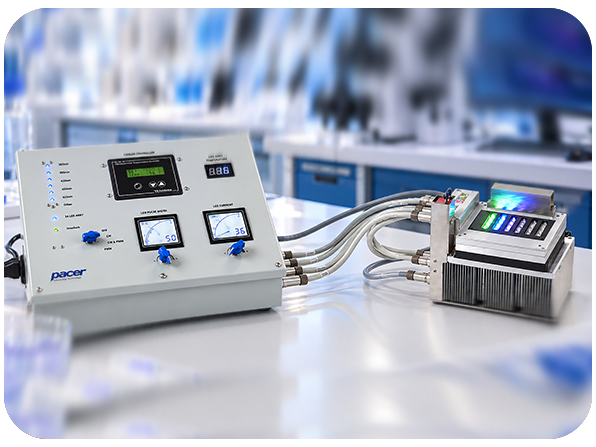
How are optics and electronics integrated for measurement?
A subsystem can combine illumination, sample interaction, detection and embedded electronics around your instrument. Define wavelength, optical path, signal-to-noise, timing, thermal and interface requirements at project start.
Can Solsta support a product after launch?
Lifecycle support can include ongoing engineering and obsolescence management to help maintain supply as an instrument evolves. Support scope, change-control responsibilities and any continuity commitments are agreed for each programme.
How does Solsta support repeatable manufacture?
Manufacturing planning can consider controlled assembly, test, traceability and validation documentation alongside the design. The appropriate controls and records depend on the product, facility scope and customer quality requirements.
Can Solid State Group contribute to an instrument project?
Through Active Silicon, the wider group can contribute medical imaging, embedded vision and processing expertise. The relevant company, capability and project interface should be confirmed for each enquiry.
What manufacturing capability is available in the UK?
Solsta’s UK facility provides ISO 13485-certified manufacturing and cleanroom optical assembly. Certification applies to the approved facility scope and activities.
What should an OEM provide for an initial biomedical discussion?
Share the measurement function, sample, wavelength or detection targets, interfaces, instrument constraints, validation needs, volumes and lifecycle expectations.
What biomedical project examples can engineers review?
Solsta supplied a multi-wavelength illumination and linear-array detection subsystem for Siemens clinical urinalysis instruments, and developed a multi-wavelength LED illuminator for GSK photocatalysis research.
Have a Biomedical subsystem project in mind?
Tell us about your instrument, measurement requirements and production plans. Our team will help you explore the right approach.