



Embedded vision involves integrating computer vision technology directly into embedded systems, which are typically compact, specialised devices that have specific functions and limited computing resources.
This field is crucial in enabling devices to “see” and interpret visual data autonomously, bringing visual perception to applications where traditional computer vision solutions are impractical due to space, power, or cost constraints. Embedded vision systems have gained significant traction in applications like automotive, industrial automation, consumer electronics, healthcare, and security.
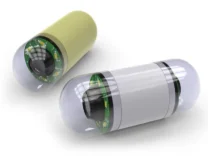
Key Components of Embedded Vision Systems
- Image Sensors: Convert optical images into electronic signals. Modern embedded vision systems often use CMOS sensors for compact size, low power consumption, and high-speed operation.
- Processors:
- Microcontrollers (MCUs): Handle low-level processing in simple applications.
- Digital Signal Processors (DSPs): Offer specialised support for signal processing tasks and are widely used in real-time applications.
- Application-Specific Integrated Circuits (ASICs): Custom-designed for specific tasks, providing high efficiency but with less flexibility.
- Neural Processing Units (NPUs): Optimised for deep learning and AI-related tasks, allowing embedded systems to handle complex vision models.
- Software and Algorithms: Embedded vision relies on efficient software for image processing, machine learning, and deep learning. Common libraries include OpenCV, TensorFlow Lite, and custom lightweight models tailored for constrained devices.
- Connectivity: Many embedded systems are IoT-enabled, meaning they can communicate over networks to send data to cloud services or other devices, allowing for more advanced processing and analytics.
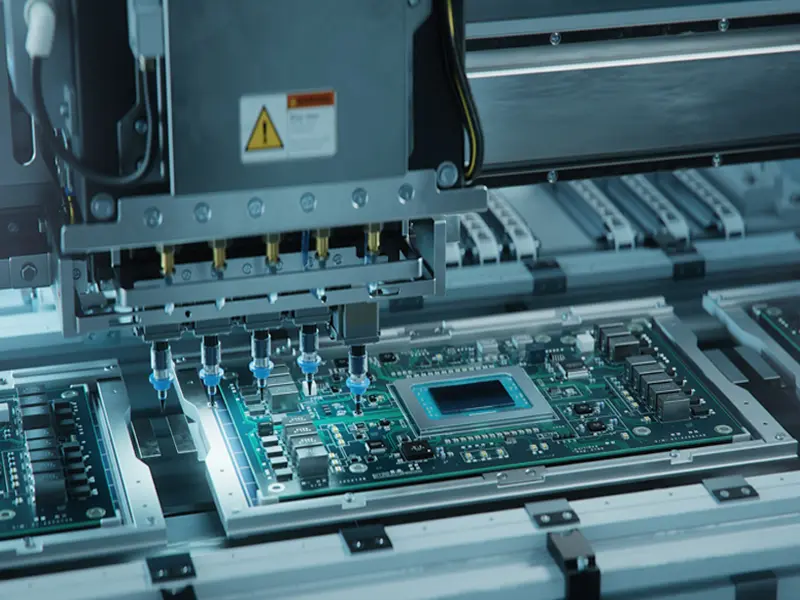
Applications of Embedded Vision
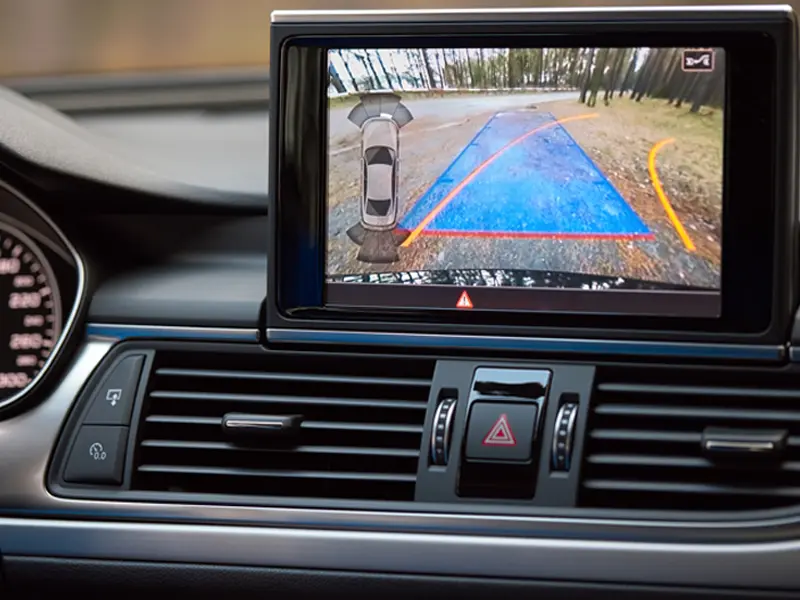
- Automotive: Advanced driver-assistance systems (ADAS), autonomous vehicles, parking assistance, lane-keeping systems, and traffic sign recognition.
- Industrial Automation: Quality control, predictive maintenance, object detection, and robotic vision for manufacturing lines.
- Healthcare: Medical diagnostics, surgical assistance, and patient monitoring using small, vision-enabled devices.
- Retail and Consumer Electronics: Augmented reality (AR), home security cameras, smart appliances, and gaming.
- Agriculture: Crop monitoring, pest detection, and yield estimation through drones and robots equipped with embedded vision.
Challenges in Embedded Vision
- Resource Constraints: Limited memory, processing power, and battery life require optimised algorithms that can run efficiently on low-power hardware.
- Real-Time Processing: Many applications need real-time processing, which requires optimised and fast computing.
- Reliability and Accuracy: For safety-critical applications (like autonomous vehicles), high accuracy is essential, but maintaining it in embedded environments can be challenging.

Embedded vision is evolving quickly, and its ability to process visual data autonomously is enabling smarter and more interactive devices across industries. At Solsta we can help with your choice and project requirements for Embedded Vision and Computing. Technexion, Silicon Labs and Ezurio offer a wide range of these solutions ranging from Tiny ML to 100TOPs of compute power.
Contact us to discuss your Embedded Vision Requirements further.