


System-on-Module (SoM): A Buyer’s Guide to Faster Product Development
What is a System-on-Module (SoM)?
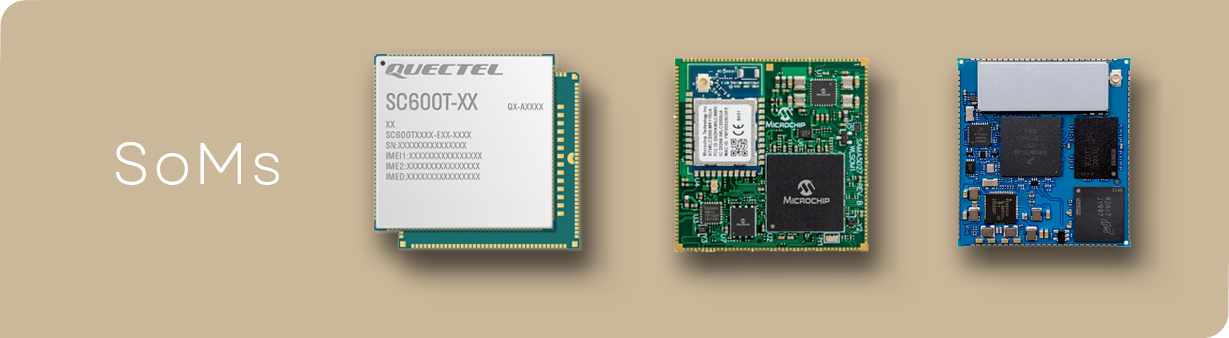
A System-on-Module (SoM) is a compact, pre-integrated computing platform that combines the core components of a processing system—including the CPU, GPU, memory, storage and peripherals—onto a single modular circuit board.
SoMs simplify the development of embedded products by providing a ready-to-integrate computing platform. They can be used in applications ranging from digital signage and industrial automation to robotics, medical equipment and advanced IoT devices.
By using an SoM instead of designing a processing system from scratch, product developers can reduce development time, lower engineering and sourcing costs, and bring products to market faster.
Why are businesses using System-on-Modules?
SoMs are increasingly being adopted by both smaller organisations and large-scale manufacturers because they can significantly simplify product development and procurement.
The main benefits of using a System-on-Module include:
- Faster time to market: Pre-integrated processing components reduce the time required to design and develop a product.
- Lower development costs: Businesses can avoid much of the expense associated with designing, testing and qualifying complex processor hardware from scratch.
- Simplified product development: Development teams can focus on the application, software and product differentiation rather than designing the underlying computing platform.
- Scalability: Modular designs make it easier to develop product variants and adopt future processor or technology upgrades.
- Simplified sourcing: Standardised modules can make it easier to source additional units or replacement modules with consistent specifications.
- Improved reliability: Integrating key components into a single module reduces physical connections and potential points of failure.
What are the key features and benefits of SoMs?
1. Integration and miniaturisation
An SoM integrates critical computing components such as the CPU, GPU, memory, storage and connectivity peripherals into a compact module. This can reduce the size and complexity of the overall product design.
2. Simpler design and development
Rather than developing a complete processing platform internally, engineers can integrate a proven SoM into their product. This can shorten development cycles and allow teams to concentrate on their core product functionality.
3. Reduced development and certification costs
Using an existing SoM can reduce the engineering resources required for processor-board development, testing and certification. This can help manufacturers achieve a high-performance embedded solution without taking on the full cost and complexity of developing the computing platform themselves.
4. Faster time to market
Because the processor, memory and other key components are already integrated and validated within the module, SoMs can significantly accelerate product development and reduce time to market.
5. Flexible and scalable product architecture
SoMs provide a modular approach to embedded product design. Depending on the platform, manufacturers can select different processing, memory, connectivity or performance options and develop product variants without redesigning the entire system.
6. Improved reliability
Fewer physical connections and a pre-integrated computing platform can reduce potential failure points. This can contribute to a more robust and reliable end product.
How do SoMs reduce time to market?
The biggest advantage of an SoM is that it removes much of the complexity associated with designing a processing system from the ground up.
Instead of developing and validating a processor board internally, manufacturers can integrate a commercially available SoM and focus engineering resources on the product’s application, software, enclosure, user experience and other areas that differentiate the final product.
This approach can help businesses accelerate development, reduce engineering effort and bring new products to market sooner.
Are SoMs suitable for large manufacturers?
Yes. SoMs are not limited to smaller organisations without in-house engineering capabilities. Increasingly, larger manufacturers are adopting modular computing platforms because they offer advantages in development speed, scalability, procurement and cost control.
For manufacturers producing multiple product variants or operating in rapidly changing technology markets, a modular architecture can also make it easier to manage processor transitions and future product generations.
How can SoMs simplify procurement?
A modular approach can make sourcing and supply management easier by separating the computing platform from the rest of the product design.
Where the same SoM platform is used across product variants or production runs, manufacturers can simplify procurement and maintain consistent specifications. Replacement or additional modules can also be sourced without redesigning the entire product, helping to minimise potential production disruption.
Why choose an SoM instead of designing a processor board from scratch?
Designing a processor board internally can require significant engineering resources, hardware expertise, testing, validation, certification and ongoing component management.
An SoM provides an alternative: outsource the complexity of the core computing platform and focus internal resources on the parts of the product that deliver the greatest competitive advantage.
For many businesses, this can result in a faster development process, lower upfront engineering costs and greater flexibility as technology evolves.
The Rise of the SoM: A Blueprint for Accelerating Time to Market
Our white paper, The Rise of the SoM – A Blueprint for Accelerating Time to Market, explores how System-on-Module technology is changing embedded product development and helping manufacturers reduce costs, simplify procurement and accelerate product launches.
Read the white paper or download the PDF to learn more about the benefits and applications of SoMs.
Read our white paper – The Rise of the SoM – a Blueprint for Accelerating Time to Market
..or download the pdf here:
How are SoM Solutions being deployed to Cut Costs and Simplify Procurement?
In this Buyers’ Guide in Electronics Sourcing magazine, we explore how SoM solutions are being deployed to cut costs and simplify procurement.
SoM solutions from Solsta
Solsta offers a wide range of System-on-Module solutions from leading suppliers, including Digi, Ezurio, Quectel, TechNexion and Variscite.
Whether you are developing a new embedded product, looking to reduce development costs or exploring ways to accelerate time to market, our team can help you identify an SoM solution that matches your technical and commercial requirements.
Features and Benefits of SoMs:
1. Integration and Miniaturization: SoMs combine essential components such as CPU, GPU, memory, storage and peripherals into a single compact package.
2. Simplified Design and Development: Utilizing a SoM results in faster development cycles, reduced time-to-market and overall cost savings.
3. Cost-Efficiency: By leveraging existing SoM modules, companies can save on development costs, testing and certifications, while still achieving a high-performance solution.
4. Faster Time-to-Market: With the core components pre-integrated, development teams can significantly reduce the development cycle.
5. Scalability: SOMs are designed to be scalable, fostering flexibility and making it easier to adapt to future technology advancements.
6. Improved Reliability: The integration of components on a SoM reduces the number of physical connections and potential failure points, enhancing overall system reliability and robustness.
The rise of SoMs marks a pivotal shift in product development, allowing businesses to outsource complex CPU design and focus on core strengths and innovation. Welcome to the new era of embedded technology.
Solsta offers a wide range of SoM solutions from leading suppliers including Digi, Ezurio, Quectel, TechNexion and Variscite. Contact us now to discuss your requirements with our team.